October 4, 2026 Post by : Editorial Writing Prompts
The Art of the Summer Letter: Writing to Someone You Love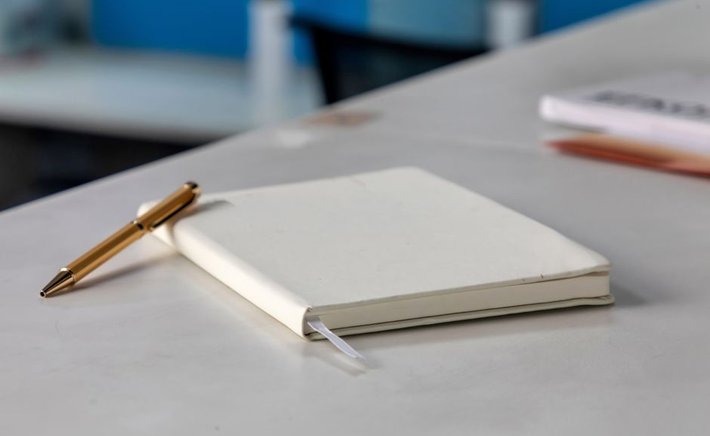
There is a particular quality to late summer light. It arrives slowly, stretching shadows across the porch, turning ordinary grass into something that looks almost gilded. If you keep a journal, you already know that this is one of the best times of year to write. The heat has softened, the day is winding down, and the mind seems to loosen its grip on the busy hours. This is where the golden hour journal comes in.
You do not need a fancy notebook or an elaborate routine. You need a pen, a few quiet minutes, and a willingness to notice what is right in front of you. Late summer is generous with sensory detail: the hum of crickets, the smell of cut grass drying in the sun, the way a glass of iced tea sweats onto a wooden table. These small things are the raw material of good writing, and they are everywhere if you slow down enough to catch them.
Prompts for the Softest Part of the Day
Start with something simple. Write about the last thing you noticed outside today. It might be a bee moving heavily between flowers, or the way the light caught the edge of a window. Describe it without judging whether it is interesting. The act of description is what matters, not the subject.
Then try this: imagine the summer as a person who is about to leave. What would you say to them? What would you want them to know before they go? This prompt often unlocks something unexpectedly tender. Summer endings carry a gentle grief, and writing into that feeling can produce some of your most honest work.
Another prompt: list five sounds you heard today, then five sounds you remember from summers past. The overlap between the two lists is where memory lives. You might find that the whir of a fan or the slap of a screen door brings back an entire afternoon you had forgotten. Let that memory lead you somewhere on the page.
Building a Gentle Practice
The trick with golden hour writing is not to demand too much of yourself. Ten minutes is enough. Sit somewhere comfortable, ideally outside if the mosquitoes allow it, and let the prompts do the work. If nothing comes, write about the nothing. Even a paragraph about how hard it is to write is still writing, and it still counts.
Over time, these short sessions accumulate. You will have a record of late summer afternoons, each one slightly different, each one carrying its own weather and mood. When autumn arrives and the light changes, you will be glad you kept them. And when next summer comes around, you will have proof that you paid attention, that you were here for it, pen in hand, watching the light go gold.


Author

22 feb,2025
This incident opened my eyes to the value of Insurance in general, so I decided to examine my personal and business insurance.




Comment (3)
The payments are made directly from one person to another without passing through a central bank or clearing house.
22 feb,2025
ReplyWildflower Notebook: Writing Prompts from the Garden
23 feb,2025
ReplyRainy Day Writing: Finding Inspiration in a Summer Storm
23 feb,2025
Reply